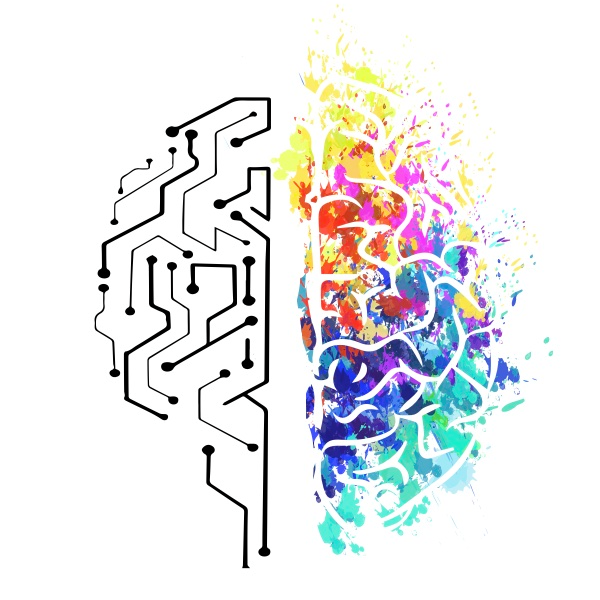
In a Nutshell
systemic.engineering treats collaboration as an optimization problem.
And language as infrastructure.
Not coaching.
Not motivation.
Embodied site reliability engineering for human systems.
We model organizations the way engineers model distributed systems:
actors, interfaces, protocols, latency, failure modes, feedback loops.
Because that’s what teams are.
Distributed systems made of nervous systems.
The core problem we work on:
How do you maintain coherence under load
when complexity is real, stakes are high,
and causality stops being linear?
In practice, this means:
- making implicit constraints explicit
- turning ambiguity into owned decisions
- treating conflict as signal, not threat
- designing coordination that survives growth
- distributing load instead of dumping it downstream
This is upstream work.
Before tech debt.
Before burnout.
Before failure modes repeat.
If you’re a Leader
systemic.engineering helps you lead without coercion.
By replacing authority with regulation.
And urgency with clarity.
You get fewer escalations.
Better decisions under pressure.
And teams that don’t fragment when things get hard.
 Alex Wolf
If you work with People & Culture
This is not culture-as-vibes.
It’s culture-as-structure.
We treat safety, dignity, and nervous systems
as real constraints in system design.
Not as posters.
Not as values theatre.
 Alex Wolf
If you build Tech & Product
Most coordination problems are not technical.
They’re alignment failures encoded in process and code.
systemic.engineering reduces coordination overhead
by designing clear contracts, interfaces, and decision paths
between humans first.
Conway’s Law originates in the nervous system.
That's a constraint.
 Alex Wolf
systemic.engineering is not a philosophy deck.
It’s language-as-infrastructure
for how people, teams, and systems work together
when complexity is unavoidable.
Intrigued?
 Alex Wolf
And reach me:
📧 alex@systemic.engineer
💼 on LinkedIn
Or start with the canonical opening essay.